
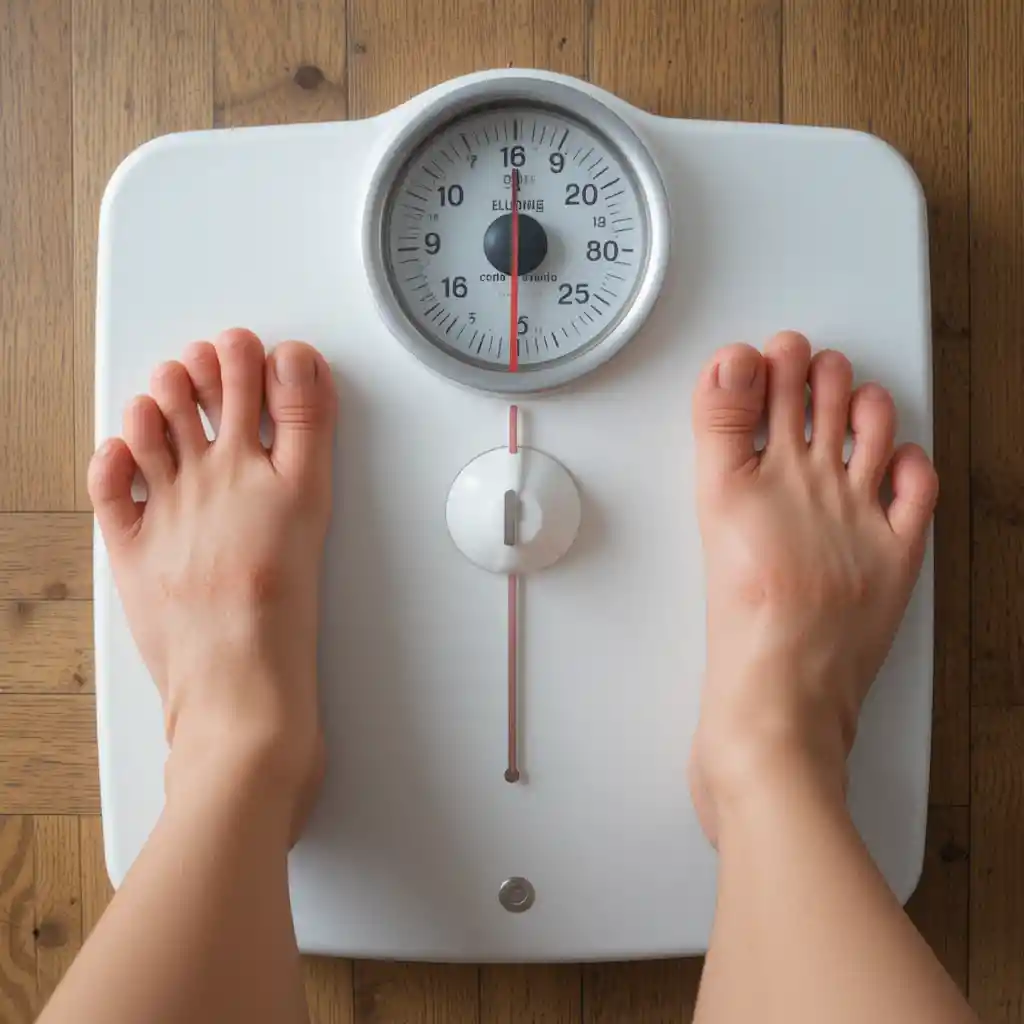
When starting your weight loss journey, it’s important to set goals that are both achievable and sustainable. Many people rush into extreme diets or intense workout routines, hoping for fast results. However, setting unrealistic goals often leads to disappointment and may hurt both physical and mental health.
Realistic goals should take into account your current lifestyle, medical history, and personal challenges. For most individuals, a safe and effective rate of weight loss is about 1 to 2 pounds per week. That might not sound like a lot, but slow and steady progress usually brings lasting results and builds healthier habits.
Begin by asking yourself why you want to lose weight. Whether it’s to feel more energized, manage a health condition, or simply gain confidence, knowing your motivation can keep you focused. Write down your goals and break them into smaller, manageable steps. For instance, instead of saying “I want to lose 30 pounds,” say “I’m aiming to lose 5 pounds this month by walking daily and cutting back on sugar.”
Keep track of your progress using a journal or a fitness app. Celebrate the small wins, like choosing better snacks or finishing a week of workouts. And remember, setbacks happens—it’s completely normal. What matters most is being consistent, not perfect.
Consulting a healthcare provider or a registered dietitian can help you develop a personalized and realistic plan. They’ll offer guidance that fits your body type, age, and any specific medical needs.
In the end, setting realistic weight loss goals isn’t just about the number on the scale. It’s about creating a balanced lifestyle that you can stick with long-term. Focus on building daily habits that support your overall well-being, and the weight loss will come naturally.


0 Комментарии