
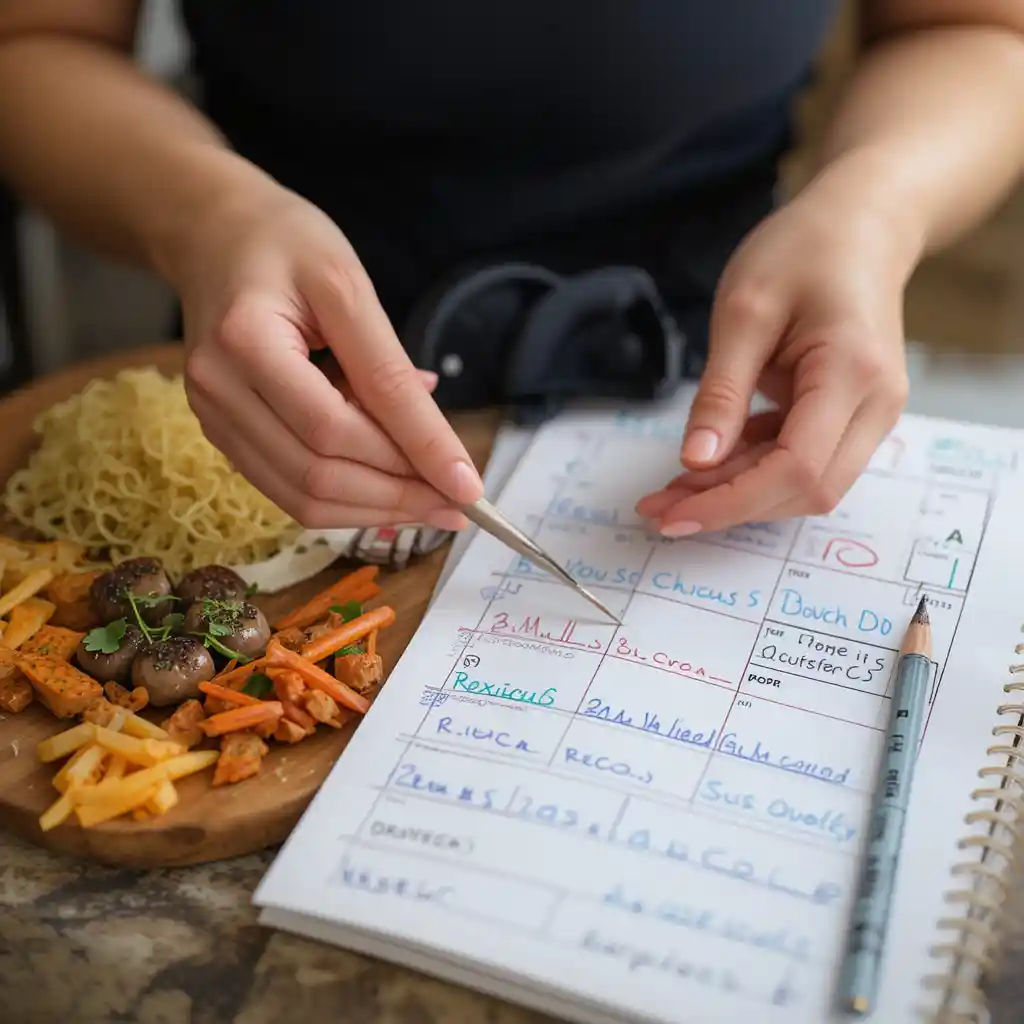
Meal planning's one of the most effective strategies for successful weight loss. It helps you make healthier choices, control portions, and avoid impulsive eating. When you plan meals ahead of time, you're more likely to stick to your calorie goals and get the nutrients your body needs to run properly.
Start with setting realistic, achievable goals. Figure out how many meals and snacks you’ll need each day, and aim to plan for the full week. Make a grocery list that includes lean proteins, whole grains, fruits, veggies, and healthy fats. With a plan in place, you're less likely to grab fast food or high-calorie snacks when you’re hungry and unprepared.
Portion control’s a key part of meal planning. No need to starve yourself — just focus on balanced meals that offer a good mix of macronutrients. For instance, a solid meal could include grilled chicken, brown rice, and steamed broccoli. Avoid skipping meals, as it can trigger overeating later.
Meal prepping is another game-changer. Choose a day to cook and portion out your meals ahead of time. Store them in the fridge or freezer using ready-to-eat containers. This way, sticking to your plan becomes easier, even during hectic days.
Remember to include healthy snacks like nuts, yogurt, or fresh fruit to keep your energy steady and hunger in check. Drinking enough water and being mindful of portion sizes also plays a big role in your progress.
In short, meal planning doesn’t just save time and reduce stress — it backs consistent and healthy weight loss. By staying organized and intentional with food choices, you’ll build lasting habits that support long-term success.


0 Комментарии