
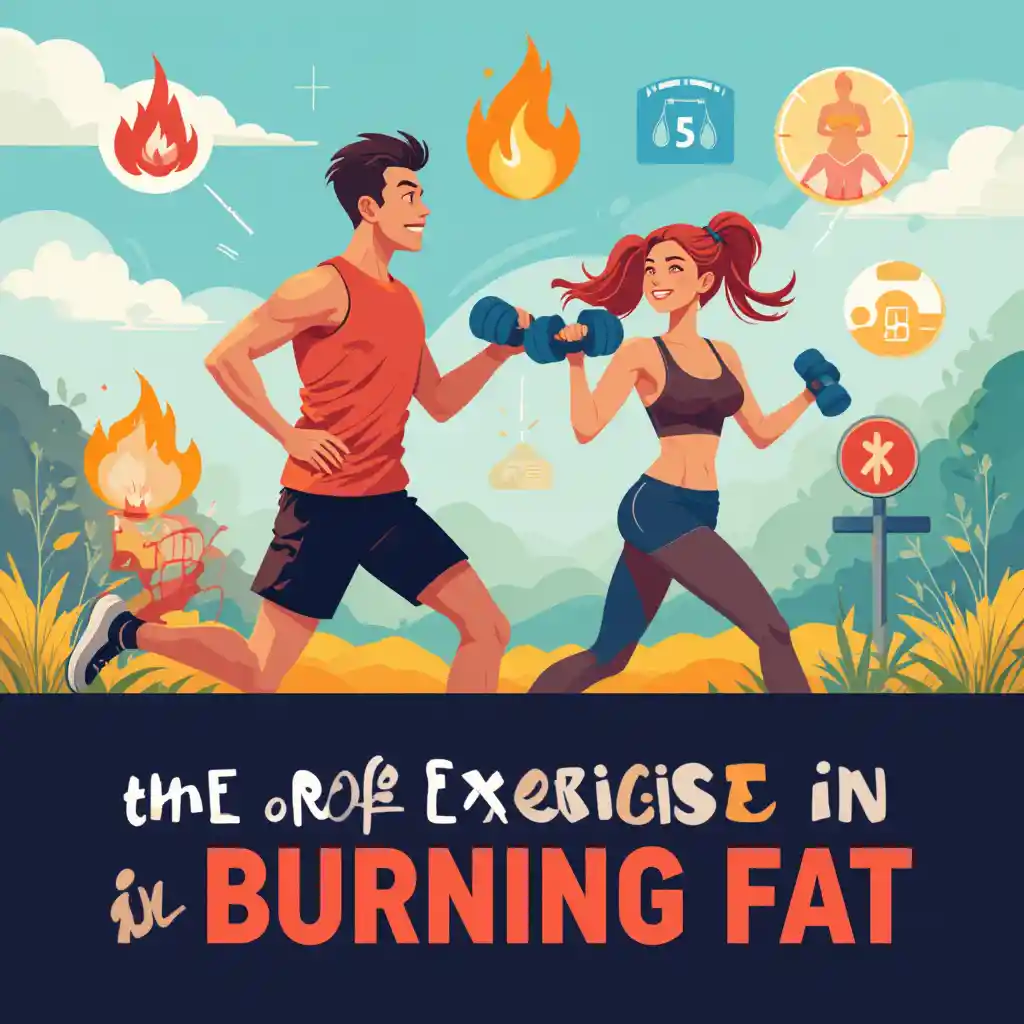
Exercise is a key part of burning fat and reaching long-term weight loss goals. While eating fewer calories plays a big role, adding regular physical activity can speed up fat loss and improve your health overall. Knowing how exercise impacts fat metabolism helps you make smarter choices and stay motivated on your journey.
When you move your body, it needs more energy. To get that energy, your body burns a mix of carbohydrates and fat. During lower-intensity workouts like walking, cycling, or light jogging, fat is the main fuel source. That’s why steady aerobic exercise is often recommended for those who want to burn fat consistently over time. Even a 30-minute brisk walk each day can make a difference if done regularly.
Higher-intensity workouts—such as high-intensity interval training (HIIT), running, or lifting weights—rely more on carbohydrates during the activity. However, they still support fat loss because of something called the “afterburn effect,” also known as excess post-exercise oxygen consumption (EPOC). This means your body continues to burn more calories for hours after you’ve finished exercising. It’s like giving your metabolism a boost, even while you rest.
The best approach to fat loss combines both cardio and strength training. Cardio workouts help you burn fat during the activity, while strength training helps you build lean muscle mass. Why is muscle so important? Because the more muscle you have, the more calories your body burns at rest. That means your body becomes more efficient at burning fat throughout the day—even when you're not exercising.
Another key point is consistency. Choose exercises you enjoy and can stick with in the long term. Whether it’s dancing, swimming, hiking, playing sports, or practicing yoga, enjoying the activity makes it more likely you’ll continue doing it. Experts recommend getting at least 150 minutes of moderate aerobic activity or 75 minutes of vigorous activity each week, plus two or more days of strength training.
In conclusion, exercise is much more than just a way to burn fat. It improves your energy levels, strengthens your heart, boosts your mood, and supports your mental health. When combined with a healthy, balanced diet and a slight calorie deficit, regular exercise can help you achieve and maintain your weight loss goals more effectively and sustainably. It's not about being perfect—it’s about staying active and making progress day by day.


0 Комментарии